
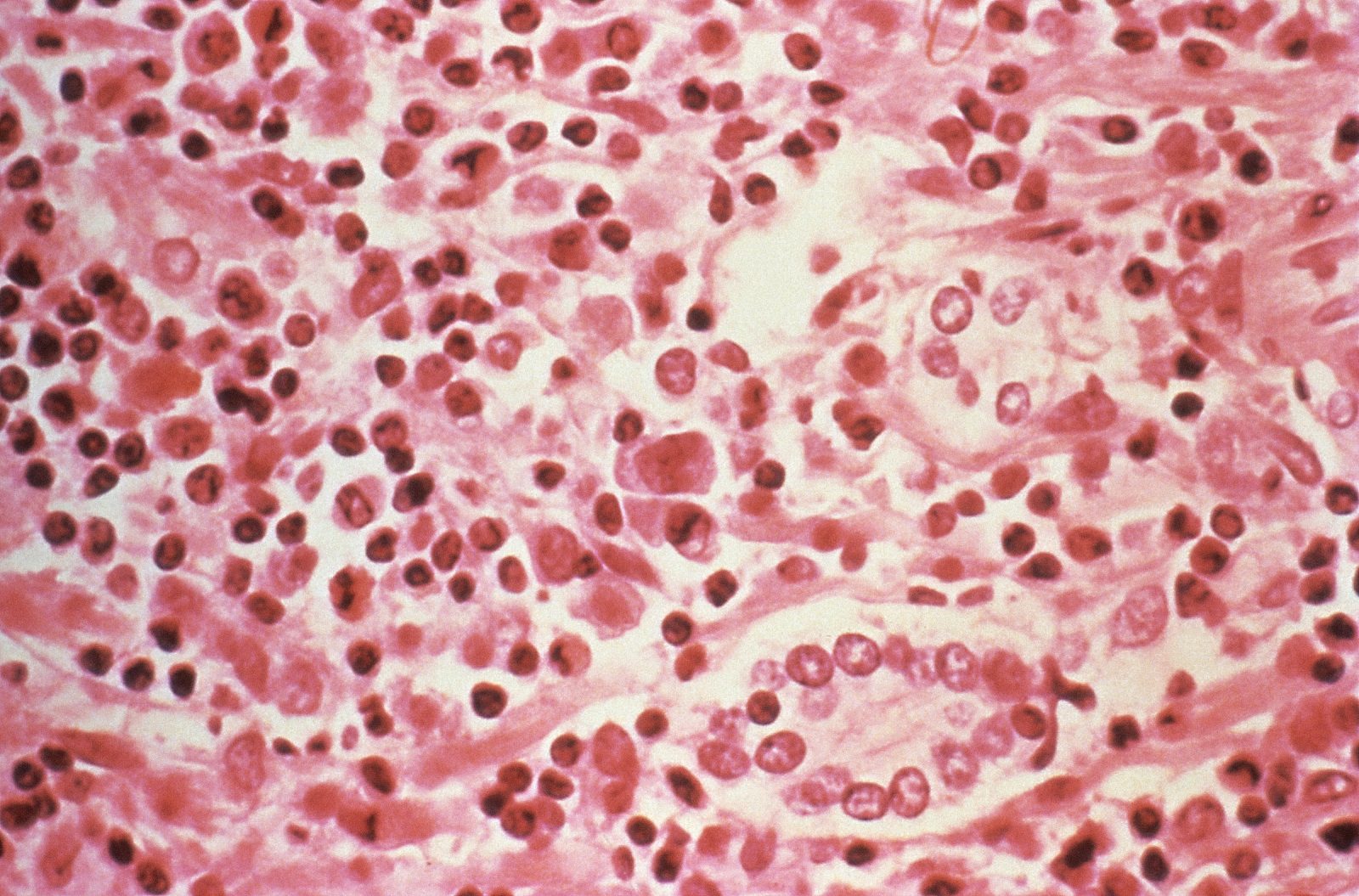
This photomicrograph of a liver tissue specimen, was extracted from a hantavirus pulmonary syndrome (HPS) patient. Photo by CDC on Unsplash
Falsehoods and misunderstanding swirl around the latest virus outbreak that has gripped public imagination the world over.
News of a hantavirus outbreak linked to a cruise ship in the Atlantic Ocean has sparked concern online, with some social media users speculating that the virus could become “another Covid-19” while others have shared misleading claims suggesting the virus was deliberately created or released.
In May 2026, illnesses reported among passengers aboard the MV Hondius cruise ship were identified as being caused by the Andes virus, a strain of hantavirus. At the time of writing, eleven cases, including three deaths and one asymptomatic inconclusive case, had been linked to the outbreak.
Several passengers disembarked or were medically evacuated before hantavirus had been identified as the cause of illness. One patient was evacuated to a hospital in Johannesburg, where hantavirus infection was confirmed and another passenger travelled to Switzerland via South Africa and Qatar before developing symptoms and later being hospitalised.
Health authorities are conducting contact tracing to identify people who may have been exposed to infected passengers and on May 6th, South African health authorities reported that dozens of possible contacts had already been identified and placed under observation.
All remaining passengers and most crew members of the MV Hondius disembarked on 11 May in the Canary Islands while some crew members remained onboard as the ship returned to the Netherlands and others returned to their home countries for quarantine and monitoring.
Importantly, there is currently no evidence that the outbreak poses a widespread threat to the general public.
Here are some key facts regarding the Hantavirus, according to the World Health Organization
- Hantaviruses are a group of viruses carried by rodents that can cause severe disease in humans.
- People usually get infected through contact with infected rodents or their urine, droppings or saliva.
- Infection with hantaviruses can cause a range of illnesses, including severe disease and death.
- In the Americas, hantaviruses can cause hantavirus cardiopulmonary syndrome (HCPS), a severe respiratory illness, with a case fatality rate up to 50%.
- Andes virus, found in South America, is a currently known hantavirus for which limited human‑to‑human transmission among contacts has been documented.
- In Europe and Asia, hantaviruses cause haemorrhagic fever with renal syndrome (HFRS).
According to the Centers for Disease Control and Prevention:
The Andes virus is a type of hantavirus spread by rodents in South America and, less commonly, by other infected people. It can cause a severe respiratory disease in people, called Hantavirus Pulmonary Syndrome (HPS) and Andes virus is the only type of hantavirus that is known to spread person-to-person. This spread is usually limited to people who have close contact with a sick person and includes direct physical contact, prolonged time spent in close or enclosed spaces, and exposure to the sick person’s body fluids.
Early symptoms of HPS due to Andes virus can include:
- Fatigue
- Fever
- Muscle aches, especially in the large muscle groups like the thighs, hips, back, and sometimes shoulders
About half of all patients with HPS also experience:
- Headaches
- Dizziness
- Chills
- Abdominal problems, like nausea, vomiting, diarrhea, and abdominal pain
Typically, people are only infectious while they have symptoms.
How it spreads:
Andes virus can spread:
- Through contact with infected rodents or their urine, saliva, or feces
- By touching an object or surface with the virus on it, then touching your mouth, nose or eyes
- Through close contact with a person who is sick with Andes virus
Reducing risk:
Avoid areas infested with rodents while visiting countries in South America.
Avoid spread between people by:
- Washing hands frequently.
- Avoiding kissing and sexual contact with someone who may have Andes virus.
- Avoid sharing drinks, cigarettes, hookah, and vapes with someone who may have Andes virus.
- Avoid sharing eating utensils or eating food from the same plate or bowl as someone who may have Andes virus.
- Maintaining distance from someone who may have Andes virus.
Treatment:
There is no specific antiviral treatment or vaccine for Andes virus currently available. Symptoms may develop rapidly. Early medical care is critical with care centered on managing symptoms.
For more information on hantavirus, visit the official websites of the World Health Organization and the Centers for Disease Control and Prevention.
Social media users are encouraged to seek information from credible public health sources and avoid sharing unverified claims or conspiracy theories that may cause panic or spread misinformation.